
Can Therapy Help With Work Stress and Career Burnout?
- by The TCNY Care Team
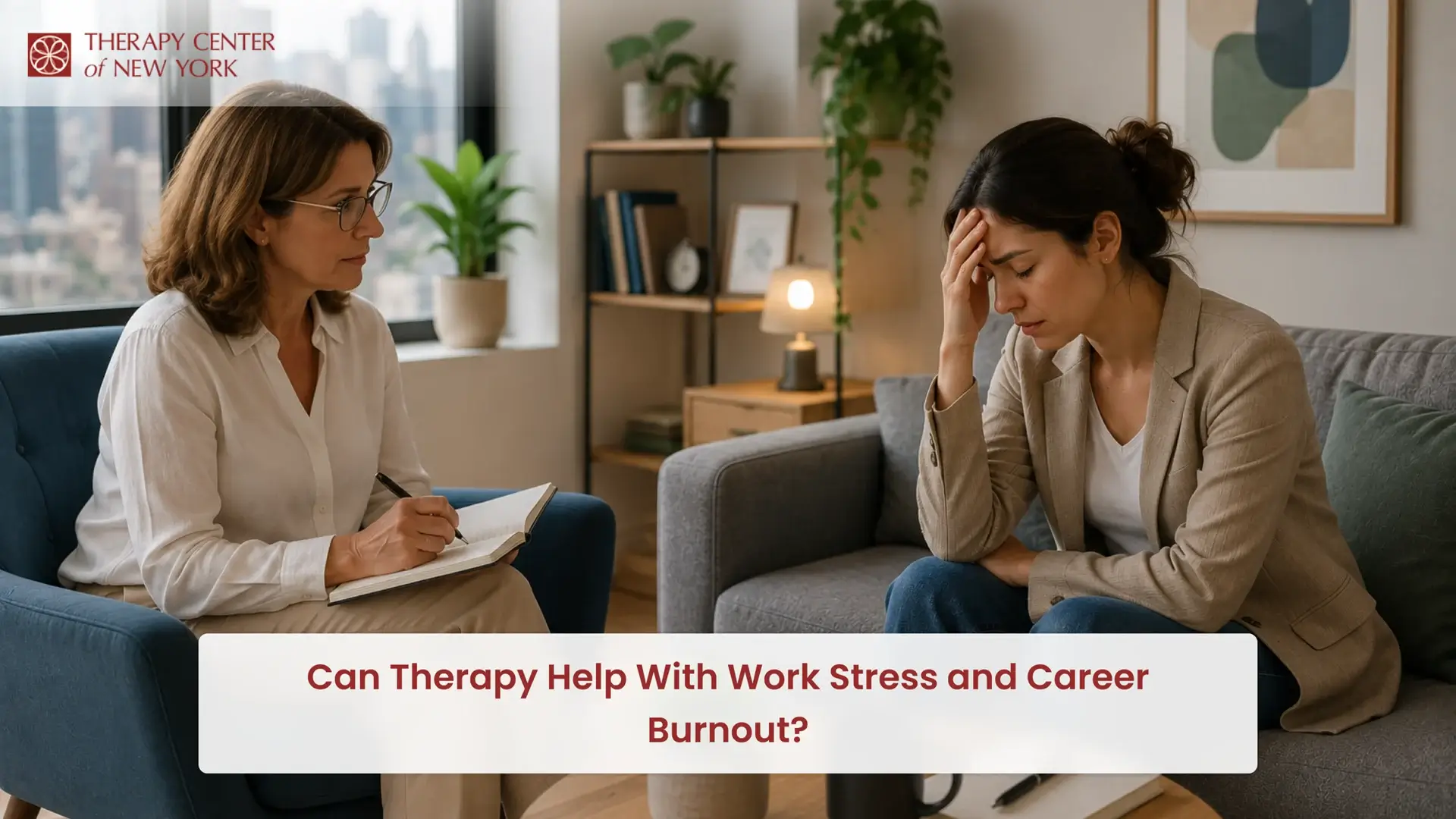
In today’s fast-paced and demanding professional environments, many working professionals face persistent work stress and career burnout. These challenges can lead to emotional exhaustion, workplace fatigue, and even affect your personal life.
If you find yourself feeling overwhelmed, exhausted, or disconnected from your job, you might wonder, can therapy help with work stress and career burnout? This article explores the role of therapy for burnout, signs of career burnout, and how behavioral health support in New York can guide you towards recovery.
What Is Work Stress?
Work stress refers to the physical and emotional responses that happen when job demands exceed an individual’s resources or abilities to cope. Stress at work can come from various pressures and expectations that affect your well-being.
-
Common workplace pressures: Tight deadlines, heavy workloads, lack of control, workplace conflicts, and job insecurity.
-
Short-term vs ongoing stress: Short bursts of stress can be motivating and manageable. However, ongoing or chronic stress can wear down your mental and physical health.
-
Emotional and physical effects: Increased anxiety, irritability, tiredness, headaches, and trouble sleeping are common signs that work stress is affecting you.
What Is Career Burnout?
Career burnout is a state of emotional, physical, and mental exhaustion caused by prolonged workplace stress that has not been effectively managed. Unlike typical stress, burnout is more severe and impacts your ability to perform and feel fulfilled at work.
-
Definition: Burnout involves feelings of depletion, cynicism or detachment from the job, and reduced professional efficacy.
-
Workplace burnout stages: It often progresses through early signs of energy loss, increasing emotional exhaustion, followed by detachment, and finally reduced productivity.
Why Career Burnout Is Becoming More Common
Increased workloads, blurred boundaries between work and home life, and the pressure to always be available via digital devices have made career burnout a growing concern for many professionals. The ongoing COVID-19 pandemic fueled remote work challenges, workplace anxiety, and chronic stress, making behavioral health support more important than ever.
Signs of Career Burnout You Should Not Ignore
Emotional Signs
-
Irritability: Feeling easily frustrated or angry at minor issues.
-
Detachment: Becoming emotionally distant or cynical about your work or colleagues.
-
Loss of motivation: Lack of enthusiasm or interest in tasks you once enjoyed.
Physical Symptoms
-
Fatigue: Constant tiredness that doesn’t improve with rest.
-
Sleep disruption: Difficulty falling asleep, staying asleep, or non-restorative sleep.
-
Headaches: Frequent tension headaches or migraines.
Behavioral Changes
-
Reduced productivity: Declining performance or missed deadlines.
-
Withdrawal: Avoiding social interactions or meetings.
-
Difficulty concentrating: Trouble focusing on tasks or completing projects.
Quick Self-Reflection Checklist
-
Are you feeling emotionally drained most days?
-
Do you experience headaches or chronic fatigue?
-
Have you lost interest or motivation at work?
-
Are you withdrawing from colleagues or responsibilities?
If you answered “yes” to most of these, you could be experiencing career burnout and may benefit from therapy for work stress.
Job Burnout Symptoms vs Everyday Work Stress
-
Temporary Stress vs Chronic Burnout
Temporary stress is a normal response to challenges that usually resolves with rest or problem-solving. On the other hand, chronic burnout persists over time, reducing your ability to cope and recover.
-
Burnout vs Depression
Career burnout and depression share overlapping symptoms, such as low energy and emotional exhaustion, but they are distinct conditions. Understanding the difference is important for effective treatment.
How Therapy for Burnout Works
Therapy for burnout helps identify the sources of chronic stress, develop healthier coping strategies, and restore emotional balance. Using evidence-based approaches such as cognitive behavioral therapy (CBT), therapists help individuals manage stress, set boundaries, and improve overall well-being.
What Happens During Therapy Sessions
Therapy for burnout typically begins with understanding your work history, stress triggers, and current symptoms. Your therapist will work with you to develop personalized coping strategies and emotional support throughout your recovery journey.
Therapy Approaches That May Help
-
Cognitive Behavioral Therapy (CBT): Identifies and changes negative thought patterns related to work stress.
-
Stress Management Strategies: Teaches practical skills to reduce workplace anxiety and chronic stress.
-
Behavioral Activation: Encourages re-engagement with activities that bring meaning and joy.
-
Mindfulness Approaches: Focuses on present-moment awareness to reduce emotional exhaustion.
-
Goal-Setting Techniques: Helps set realistic professional and personal boundaries.
How Therapy Helps With Burnout Recovery
-
Identifying Triggers: Recognizing situations or thoughts that worsen burnout symptoms.
-
Emotional Regulation: Learning how to manage irritability, frustration, and overwhelm.
-
Healthy Boundaries: Developing skills to say no and protect your work-life balance.
-
Coping Skills: Building resilience and strategies to handle occupational stress and workplace fatigue.
Therapy for Work Stress and Career Burnout in New York
When to Consider Professional Support
If work-related stress is impacting your sleep, concentration, relationships, or emotional wellbeing for more than a few weeks, it may be time to seek therapy. Signs such as persistent emotional exhaustion, detachment, and behavioral changes indicate the need for professional behavioral health treatment.
Online Therapy Availability in New York
-
Flexible scheduling: Sessions can be arranged around busy work hours.
-
Remote access: Receive care from the comfort of your home or office.
-
Continuity of care: Regular sessions help maintain progress even during life’s challenges.
How Therapy Center of New York’s Care Providers Support Behavioral Health
The Therapy Center of New York offers expert therapists specializing in therapy for burnout, work-related stress, and emotional exhaustion. Their providers deliver compassionate, evidence-based care tailored to professionals facing workplace anxiety, occupational stress, and employee burnout.
Lifestyle Changes That Support Burnout Recovery
-
Sleep and Recovery
Prioritize consistent, restful sleep to allow your body and mind to recover from chronic stress.
-
Workplace Boundary Setting
Establish clear limits on work hours and availability to prevent work from taking over your personal life.
-
Building Sustainable Routines
Create daily habits that balance productivity and relaxation, including regular breaks and physical activity.
-
Managing Digital Overload
Limit screen time, especially after work hours, to reduce stress and improve sleep quality.
Warning Signs That Should Not Be Ignored
-
Persistent feelings of hopelessness or despair
-
Thoughts of self-harm or suicide
-
Severe sleep disturbances affecting daily functioning
-
Inability to complete work duties or maintain relationships
In these cases, immediate professional evaluation and coordination of behavioral health care are essential to ensure timely and effective treatment.
Frequently Asked Questions
-
Can therapy help with work stress and career burnout?
Yes, therapy provides practical strategies and emotional support that help individuals manage work stress, recognize burnout, and develop coping skills for recovery.
-
What are the early signs of career burnout?
Early signs include irritability, emotional detachment, fatigue, sleep problems, and reduced motivation at work.
-
How do I know if I need therapy for burnout?
If workplace stress affects your mood, sleep, relationships, or job performance for several weeks, therapy can help you regain balance.
-
What happens during therapy for work-related stress?
Therapy sessions focus on understanding stress triggers, developing coping skills, and setting boundaries to improve workplace wellbeing.
-
Is burnout different from depression?
While they share symptoms like fatigue and low motivation, burnout is primarily related to work stress, whereas depression affects all life areas and may require medical treatment.
-
Can online therapy help with career burnout?
Yes, online therapy offers flexible, accessible support, especially for busy professionals in New York seeking behavioral health treatment.
-
How does therapy support burnout recovery?
Therapy helps by identifying stress triggers, teaching emotional regulation, and encouraging healthy work habits to aid burnout recovery.
-
What are common job burnout symptoms?
Symptoms include emotional exhaustion, irritability, fatigue, difficulty concentrating, detachment, and decreased productivity.
-
When should I seek counseling for job stress in New York?
If job stress impacts your health or daily life for several weeks despite self-care, seeking counseling can offer needed support.
-
Can work stress affect sleep and concentration?
Yes, chronic work stress often causes sleep difficulties and problems focusing, which therapy can help address.
-
What therapy approaches may help with burnout?
Cognitive Behavioral Therapy (CBT), mindfulness, behavioral activation, stress management, and goal-setting techniques are effective approaches.
-
Can burnout impact relationships and daily functioning?
Yes, burnout can lead to withdrawal, irritability, and reduced engagement, affecting personal relationships and everyday activities.