
What are the Benefits of Cognitive Behavioral Therapy for Anxiety Disorders?
- by The TCNY Care Team
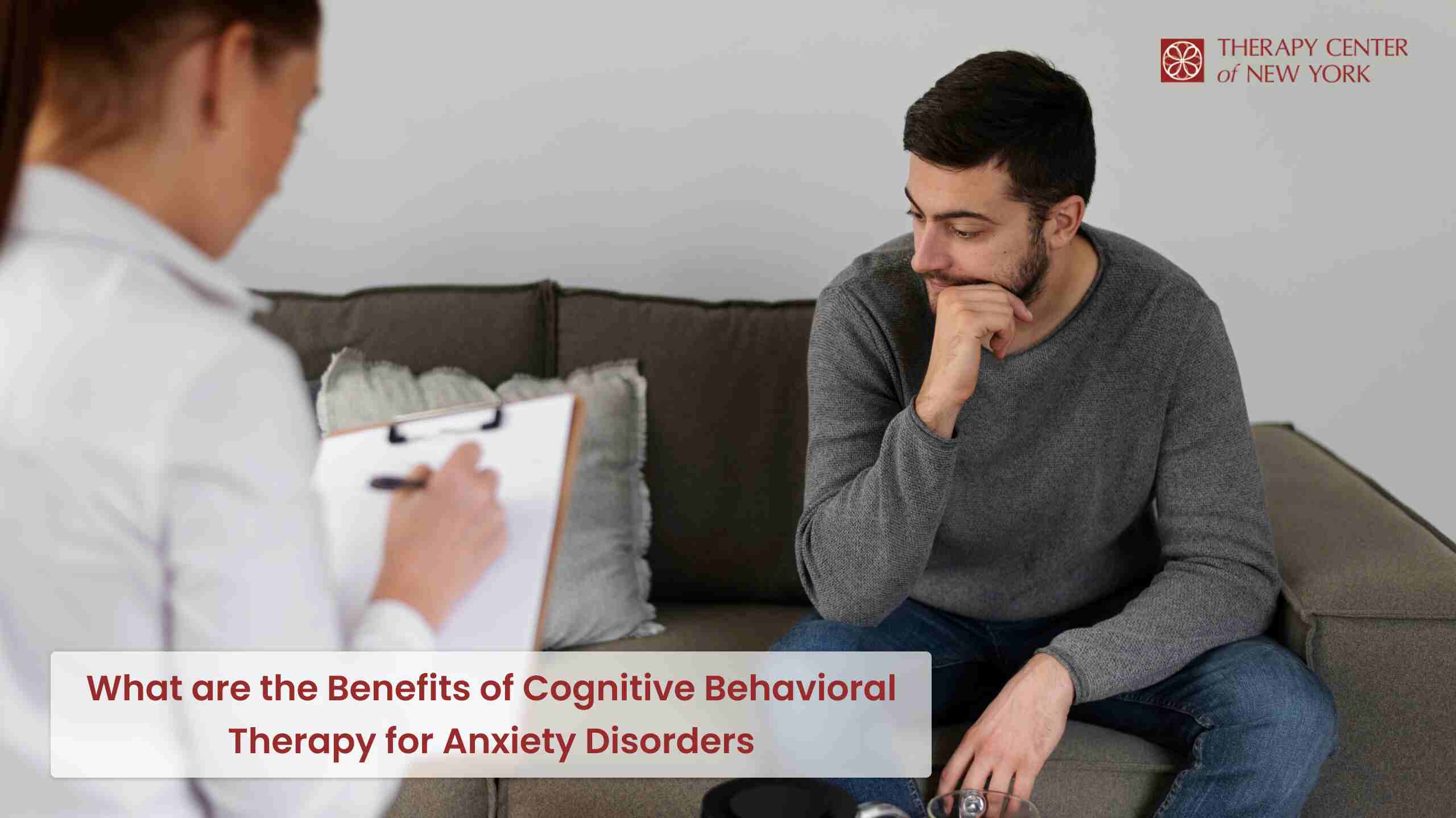
Anxiety disorders are among the most common mental health issues, affecting millions of people worldwide. These disorders can significantly impair one's quality of life, leading to difficulties in daily functioning and overall well-being. Fortunately, Cognitive Behavioral Therapy (CBT) offers a highly effective treatment option. In this article, we will explore the numerous benefits of Cognitive Behavioral Therapy for anxiety disorders, delving into how this approach works and why it is considered one of the best therapeutic interventions available.
Understanding Cognitive Behavioral Therapy (CBT)
Cognitive behavioral therapy is a form of psychotherapy that focuses on the connection between thoughts, behaviors, and emotions. A therapist trained in CBT will work collaboratively with you to identify unhelpful thinking patterns and behaviors that contribute to your anxiety. Through a structured and goal-oriented approach, CBT equips you with the skills to manage your thoughts and behaviors, leading to a significant reduction in anxiety symptoms.
How CBT Works
CBT follows a clear, goal-oriented process:
- Assessment: The therapist reviews your symptoms, triggers, and daily impact.
- Identifying negative thoughts: You learn to recognize and challenge irrational thinking.
- Behavioral strategies: Practical techniques help you change unhelpful behaviors.
- Skill development: You build coping tools like relaxation and mindfulness.
- Homework: You practice new skills between sessions to reinforce progress.
Benefits of Cognitive Behavioral Therapy for Anxiety Disorders
- Strong Evidence Base
CBT is backed by decades of research. It has proven effective for Generalized Anxiety Disorder (GAD), social anxiety, panic disorder, and specific phobias.
- Short-Term Treatment, Long-Term Results
Most clients see significant improvement in 12 to 20 sessions. The skills learned in CBT continue to work long after therapy ends.
- Builds Real Coping Skills
CBT empowers clients to manage anxiety on their own. You gain specific tools to challenge negative thoughts and change unhelpful habits.
- Personalized to You
Every CBT plan is tailored to the individual. Your therapist works with your specific symptoms, goals, and challenges.
- Improves Self-Awareness
Through CBT, clients recognize their own thought and behavior patterns. This helps you spot early warning signs and intervene before anxiety escalates.
- Practical and Action-Oriented
CBT is hands-on. You apply real strategies to daily life, not just talk about problems. This builds confidence quickly.
- Works Across Many Anxiety Types
CBT is flexible. It can be adapted for generalized anxiety, social anxiety, panic attacks, OCD, and phobias.
- Prevents Future Episodes
By addressing the root causes of anxiety, CBT reduces the risk of relapse. Clients are better equipped to handle future stressors.
- Combines Well With Other Treatments
CBT can be used alongside medication. This integrated approach is especially helpful for people with more severe symptoms.
- Accessible Online
Online CBT is now widely available. Clients can attend sessions from home, making therapy easier to fit into a busy schedule.
Real-Life Applications of CBT for Anxiety Disorders
-
Case Example: Generalized Anxiety Disorder (GAD)
A client with GAD may experience persistent, excessive worry about various aspects of their life. Through CBT, the therapist, a cognitive behavioral therapy specialist, helps the client identify and challenge irrational thoughts, such as catastrophizing or overgeneralizing. The client learns to replace these thoughts with more realistic and balanced perspectives. Additionally, the therapist may introduce relaxation techniques and problem-solving strategies to help the client manage stress and reduce overall anxiety levels.
-
Case Example: Social Anxiety Disorder
A client with social anxiety disorder may fear social interactions and avoid situations where they might be judged or embarrassed. In CBT, the therapist uses exposure techniques to gradually and safely expose the client to feared social situations. The client practices coping skills and receives feedback on their progress. Over time, the client becomes more comfortable and confident in social settings, significantly reducing their anxiety.
Further Resources
For further information and background, please refer to these articles and academic sources below on CBT (click on the links below):
- National Library of Medicine: this article discusses how CBT can be used to treat anxiety disorders, including techniques such as exposure therapy and cognitive restructuring. It outlines the typical process and goals of CBT in managing anxiety symptoms.
- APA: This resource explains the principles of CBT, how it helps individuals manage anxiety by changing negative thought patterns, and the evidence supporting its effectiveness.
- Mayo Clinic: This overview details how CBT works, the conditions it can treat (with a focus on anxiety disorders), and what patients can expect during CBT sessions. It also covers the long-term benefits of CBT in helping individuals cope with anxiety.
- BioPsychoSocial Medicine: This article reviews the effectiveness of cognitive-behavioral therapy (CBT) in managing stress-related disorders and mental health issues. It highlights how CBT can help individuals by eliminating avoidant and safety-seeking behaviors that hinder the correction of faulty beliefs, thus reducing stress and improving mental health.
- BioMed:This study systematically reviews and analyzes the impact of CBT on anxiety and depression during the COVID-19 pandemic. It discusses the effectiveness of CBT in reducing anxiety symptoms, demonstrating significant improvements in mental health among participants.
- Oxford Academic: This meta-analysis evaluates the effectiveness of CBT in treating anxiety and depression in primary care settings. It provides evidence that CBT is more effective than usual care or no treatment, highlighting its benefits in reducing symptoms of anxiety and improving overall mental health.
The Therapy Center of New York: Your Partner in Overcoming Anxiety Disorders
Cognitive Behavioral Therapy (CBT) offers a highly effective and evidence-based approach to treating anxiety disorders. With its focus on skill development, self-awareness, and practical strategies, CBT empowers clients to manage their anxiety and improve their quality of life. Whether dealing with generalized anxiety, social anxiety, panic disorder, or specific phobias, CBT provides a versatile and individualized treatment option that delivers long-term benefits.
At the Therapy Center of New York, we have over 30 years of experience in providing high-quality therapy for anxiety disorders. Our team of skilled therapists specializes in cognitive behavioral therapy, offering personalized treatment plans tailored to each client's unique needs. If you or a loved one is struggling with anxiety, consider reaching out to the Therapy Center of New York. Our expert therapists are dedicated to helping you achieve lasting relief and improved mental health through effective and compassionate care.