
Eating Disorder Therapy Near Me: How to Find the Right Support and Treatment
- by The TCNY Care Team
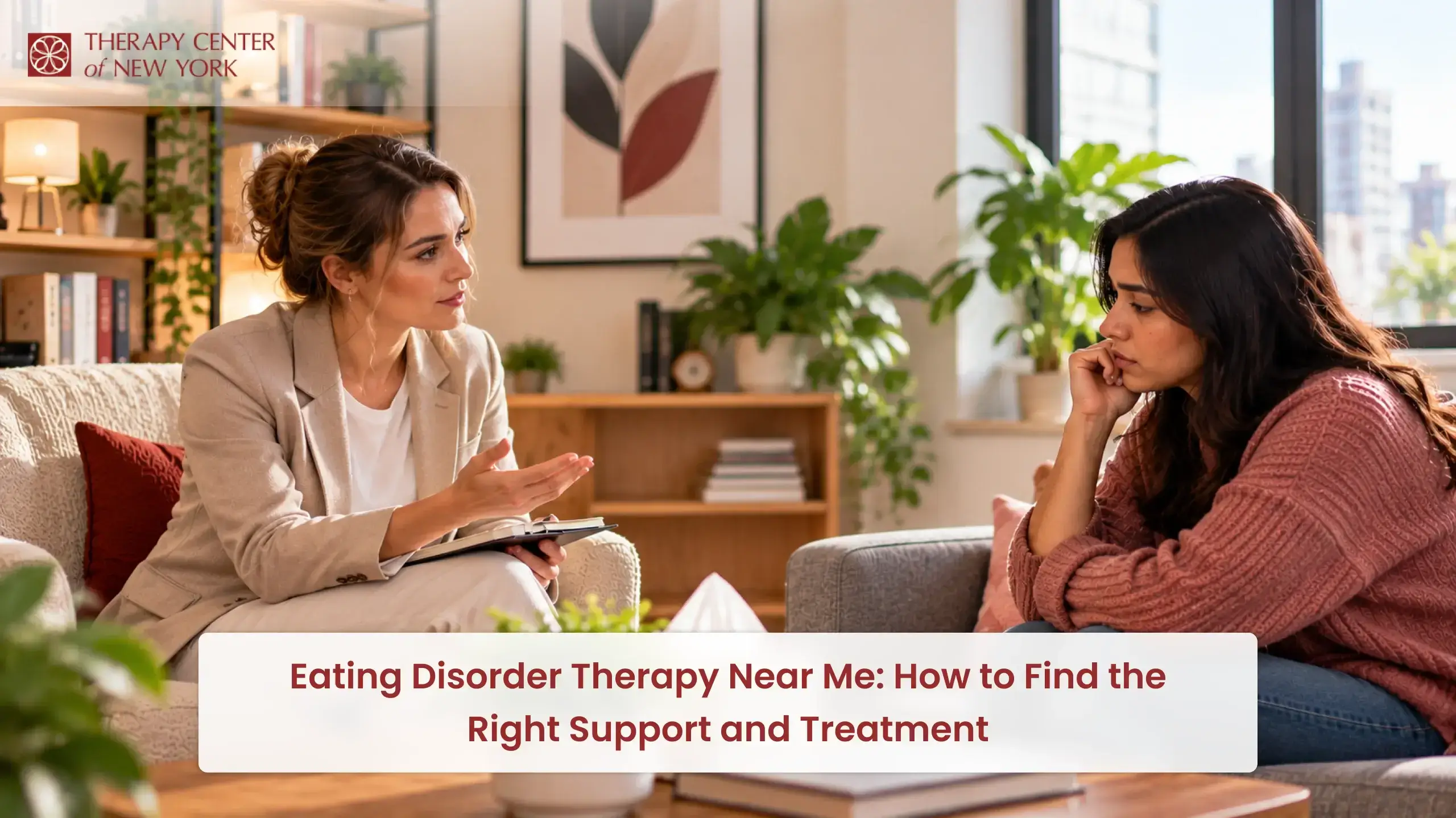
Eating disorders are complex behavioral health conditions that affect eating patterns, emotions, physical health, relationships, and daily life. These disorders are not simply about food or weight; they deeply impact how a person feels and thinks about themselves. Eating disorders can affect people of all ages, genders, backgrounds, and body sizes.
Therapy plays a crucial role in eating disorder treatment and recovery. The right therapy approach can help individuals regain control over their eating behaviors and improve their emotional well-being. Finding the right provider—someone experienced in eating disorder therapy—makes all the difference. For those in New York, the Therapy Center of New York offers professional behavioral health care tailored to individual needs, providing comprehensive eating disorder treatment and support
What Is Eating Disorder Therapy?
Eating disorder therapy is professional behavioral health treatment designed to address the thoughts, emotions, and behaviors associated with eating disorders. It helps people understand their relationship with food, their body image, and the emotional triggers that influence their eating patterns.
Therapy is tailored to the individual and often involves multiple types of professionals, depending on the person’s unique needs. This can include therapists, psychiatrists, dietitians, and medical providers working together to support recovery. The goal is to create lasting, healthy changes in thoughts and behaviors related to eating and body image.
What Can Eating Disorder Therapy Help With?
Eating disorder therapy addresses a wide range of concerns, including:
• Restrictive eating
• Binge eating
• Purging behaviors such as vomiting
• Fear or anxiety around food
• Distress about body image
• Feelings of shame or guilt related to eating
• Compulsive exercise
• Difficulty maintaining regular eating patterns
• Anxiety or depression occurring alongside eating concerns
Common Types of Eating Disorders
Note: Only a qualified professional can properly evaluate and diagnose an eating disorder.
How Does Eating Disorder Therapy Work?
Eating disorder treatment is personalized and varies based on a person’s symptoms, health needs, diagnosis, goals, and life circumstances. The process typically involves several important steps to support recovery.
1. Initial Assessment
This first step involves discussing symptoms and eating patterns in detail, reviewing behavioral health history, and identifying related concerns such as anxiety, depression, or trauma. The therapist may also determine if additional medical or nutritional support is necessary for comprehensive care.
2. Understanding Thoughts and Behaviors
Therapy explores the thoughts and beliefs surrounding food, eating, weight, and body image. It helps identify behavioral patterns and triggers, as well as understanding how emotional distress influences eating habits.
3. Developing Healthier Coping Strategies
Therapy focuses on building healthier ways to regulate emotions, manage stress, cope with difficult feelings, reduce harmful eating-related behaviors, and establish balanced routines.
4. Working Toward Recovery
Clients and therapists set realistic treatment goals and monitor progress over time. Treatment is adjusted as needed, and care may be coordinated with other professionals to support the individual’s overall health.
Therapy Approaches Used for Eating Disorders
The treatment approach depends on the individual’s needs and may include several evidence-based options.
Cognitive Behavioral Therapy (CBT)
CBT addresses unhelpful thoughts and behaviors related to eating, body image, and emotional distress. It aims to change negative thinking patterns and build healthier habits.
Enhanced Cognitive Behavioral Therapy (CBT-E)
CBT-E is an adaptation of CBT specifically designed for eating disorders. It focuses on the patterns that maintain eating disorder symptoms, making it a highly effective approach.
Interpersonal Therapy (IPT)
IPT explores how relationship difficulties and interpersonal experiences contribute to or maintain eating disorder symptoms. Improving communication and relationships may help reduce disordered eating behaviors.
Family-Based Treatment
This approach involves family members in therapy and is particularly beneficial for adolescents and young people when clinically appropriate.
Note: The best treatment method should be selected by a qualified professional based on the individual’s specific needs.
Signs You May Need Eating Disorder Support
Warning signs that professional eating disorder therapy might be needed include:
• Frequently skipping meals or restricting food
• Episodes of binge eating or feeling unable to control eating
• Compensatory behaviors after eating, such as purging
• Significant anxiety around food or eating
• Preoccupation with weight, food, or body image
• Avoiding social situations involving food
• Exercising compulsively
• Feeling shame or distress after eating
• Eating patterns that interfere with work, school, relationships, or daily routines
Having one symptom does not necessarily mean someone has an eating disorder. However, persistent or concerning changes deserve professional attention.
How to Find an Eating Disorder Therapist Near You
When searching for eating disorder therapy near me in New York, consider this practical checklist:
Look for Relevant Experience
• Providers experienced in treating eating disorders.
• Familiarity with specific symptoms or concerns similar to yours.
• Appropriate professional credentials and licenses.
Ask About the Treatment Approach
• What types of eating disorder concerns do you treat?
• Which therapy approaches do you use?
• How do you evaluate treatment progress?
• Do you coordinate care with other health professionals?
Consider the Overall Fit
• Comfort with communication style.
• Alignment on treatment goals.
• Convenience of appointment formats and availability.
• Whether online therapy options are offered when needed.
When Should You Consider Eating Disorder Therapy?
Professional support is advisable when eating-related thoughts or behaviors:
• Become difficult to control.
• Cause significant emotional distress.
• Interfere with daily responsibilities or relationships.
• Lead to social withdrawal.
• Result in restrictive, bingeing, or compensatory behaviors.
• Are increasingly difficult to manage alone.
It’s important to seek help early. You do not have to wait until symptoms become severe to get support.
Can Eating Disorder Therapy Be Done Online?
Online eating disorder therapy is available in New York when clinically appropriate. Telehealth can offer convenience, continuity of care, and better access for some individuals.
However, online therapy may not suit every person or medical situation. A qualified provider can help determine if online treatment is a good fit or if in-person care is needed.
Eating Disorder Treatment May Involve a Care Team
Comprehensive eating disorder treatment often requires a team of professionals working together, including:
• Eating disorder therapists
• Psychiatrists
• Primary care providers
• Registered dietitians
• Other behavioral health or medical specialists
Coordinated care ensures all areas of health are addressed and supports a more effective recovery.
How to Prepare for Your First Eating Disorder Therapy Appointment
Preparing well can help you get the most out of your first session. Consider the following checklist:
• Write down your main concerns to discuss.
• Note any changes in eating patterns or behaviors.
• Consider symptoms that affect your daily life.
• Prepare questions about the treatment process.
• Share relevant behavioral health history.
• Be open about concerns that may feel difficult to discuss.
• Ask about the provider’s treatment approach.
• Discuss whether additional professional support might be needed.
Eating Disorder Therapy in New York
For those in New York seeking eating disorder treatment, it’s important to look for qualified providers experienced in behavioral health and eating disorder therapy. Many providers, including the care team at the Therapy Center of New York, offer both in-person and online care options to meet your needs.
When searching for eating disorder therapy near me, prioritize providers who use evidence-informed treatment methods and tailor care to your unique situation. This increases your chance of receiving the right support for lasting eating disorder recovery.
Frequently Asked Questions
What is eating disorder therapy?
Eating disorder therapy is professional behavioral health treatment aimed at addressing the symptoms, thoughts, and emotions related to eating disorders. It helps individuals develop healthier relationships with food and their bodies.
What type of therapy is used for eating disorders?
Common therapy approaches include Cognitive Behavioral Therapy (CBT), Enhanced CBT (CBT-E), Interpersonal Therapy (IPT), and Family-Based Treatment. The approach depends on the individual’s needs and diagnosis.
How do I know if I need eating disorder therapy?
Persistent concerns about eating, food, body image, bingeing, restriction, or compensatory behaviors suggest it’s time to speak with a qualified eating disorder therapist. Professional evaluation can help determine the best steps.
Can eating disorders be treated with therapy?
Therapy is a key component of eating disorder treatment. Many people also benefit from medical, nutritional, or psychiatric support combined with therapy to address all aspects of their condition.
Can I get eating disorder therapy online?
Online eating disorder therapy may be available when clinically appropriate. Treatment setting decisions depend on individual needs and safety considerations.
How long does eating disorder therapy take?
Treatment duration varies based on the type and severity of symptoms, individual circumstances, treatment approach, and progress over time.