
How Taking a Social Media Break Can Support Your Well-Being
- by The TCNY Care Team
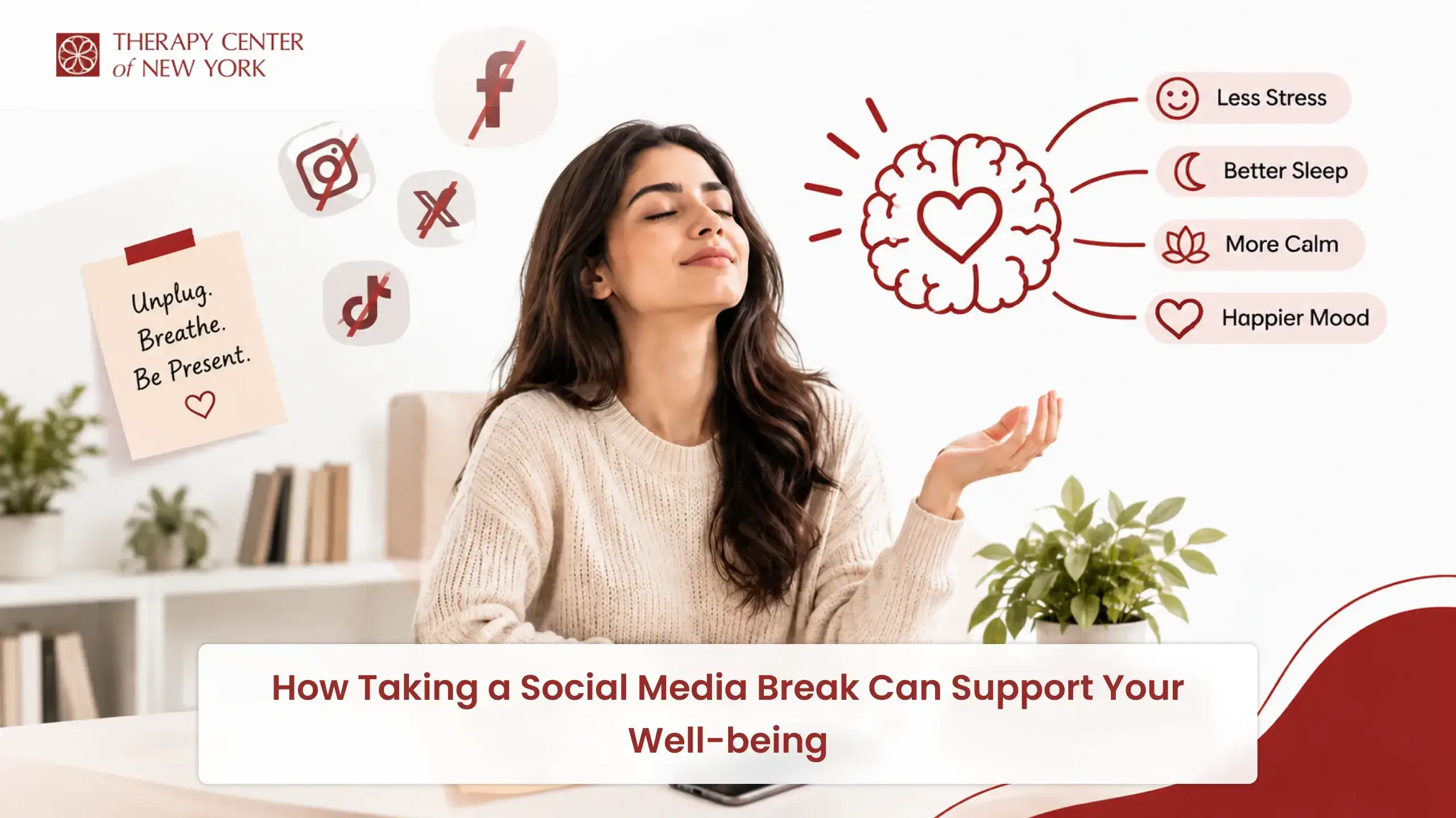
In today’s digital age, social media plays a significant role in many people's lives. While these platforms offer ways to connect, share, and stay informed, heavy social media use can also impact emotional and behavioral health. Taking a social media break – a temporary pause from social media use – can be a helpful strategy to support your overall well-being. This blog explores what a social media break entails, why it matters, and how it can benefit individuals experiencing stress, anxiety, or digital overload.
Explain what a social media break is
A social media break is a conscious decision to reduce or stop using social media platforms for a specific period. It is not necessarily about quitting social media forever but about stepping away to reset digital habits and improve emotional well-being. People may choose to take a break from one or several social media apps, depending on their goals.
Why people may choose to temporarily reduce or stop social media use
Many reasons motivate a social media break. From managing anxiety and stress to reducing distractions and improving focus, the benefits of pausing social media use can be significant. Some take breaks to create healthier routines and increase time spent on offline activities like hobbies, exercise, or spending time with loved ones.
How digital habits can influence daily routines and emotional well-being
Daily use of social media can shape emotional responses and behavior. For example, constant notifications may disrupt focus, excessive screen time can interfere with sleep, and social comparison may trigger feelings of anxiety or low mood. Understanding these effects is key to improving digital wellness and building healthy screen habits.
Clarify that a social media break is not necessarily about eliminating technology
A social media break focuses on reducing or pausing social media use—not necessarily eliminating all technology. It differs from a full digital detox, which may involve cutting back on various digital devices and activities. This approach allows for a manageable and personalized adjustment suited to individual lifestyles and responsibilities.
What Is a Social Media Break?
A social media break is a temporary pause from using social networking sites like Facebook, Instagram, Twitter, or TikTok. The goal is to give yourself a break from the constant flow of updates, notifications, and digital distractions. This break can last for hours, days, or longer and is aimed at reassessing your social media habits and their impact on your well-being.
Understanding a Digital Detox
A digital detox usually involves broader changes than a social media break. It may include limiting the use of smartphones, gaming, streaming services, and other digital media beyond just social platforms. A digital detox is often longer and more comprehensive, focusing on reducing overall screen time and encouraging more offline engagement.
How a Social Media Break Differs From Quitting Social Media
Taking a social media break is different from quitting social media entirely. A break is temporary and focused on reflection and resetting habits, while quitting means permanently deleting accounts or stopping use altogether. A break can help you decide whether to change how you use social platforms or if a more permanent change is necessary.
Why People Choose to Take a Break
• Reduce screen time: Cutting back helps balance digital and real-life activity.
• Improve focus: Fewer distractions support productivity and concentration.
• Create healthier routines: Allows time to develop habits like better sleep and exercise.
• Reduce digital distractions: Limits interruptions during work or relaxation.
• Make more time for offline activities: Encourages social connection and hobbies.
How Social Media Use Can Affect Wellbeing
Social media can influence wellbeing in many ways, and these effects vary by individual. Consider how frequent use, content type, and personal circumstances shape your experience.
• Social Comparison and Emotional Responses: Comparing yourself to others can affect self-esteem and mood.
• Constant Notifications and Digital Distractions: Frequent alerts can reduce focus and increase stress.
• Excessive Screen Time: Extended use may contribute to fatigue and behavioral health challenges.
• Sleep and Evening Screen Habits: Screen use before bed can disrupt sleep quality.
• Information Overload: High volumes of online content can cause overwhelm and anxiety.
Potential Benefits of Taking a Social Media Break
1. More Awareness of Your Digital Habits: Helps identify how often and why you check social media.
2. Better Focus and Fewer Distractions: Reduces interruptions, supporting work and study.
3. More Time for Healthy Habits: Enables engagement in exercise, hobbies, or sleep.
4. Support for Stress Management: A calmer routine can lower stress and anxiety.
5. More Opportunities for Real-Life Connection: Encourages deeper time with friends and family.
6. Greater Awareness of Emotional Responses: Helps recognize mood shifts related to social media content.
7. Healthier Boundaries With Technology: Creates practical limits on social media use.
Social Media Break vs. Digital Detox
Signs You May Benefit From a Social Media Break
• Checking social media automatically throughout the day
• Losing track of time while scrolling
• Difficulty focusing on other activities
• Feeling emotionally drained after using social media
• Comparing yourself with others online
• Checking notifications during important activities
• Using social media immediately before sleep
• Feeling uncomfortable when you cannot access your accounts
These signs don’t necessarily indicate a behavioral health condition but suggest that monitoring your digital habits could be beneficial.
How to Take a Social Media Break
1. Decide What You Want to Change: Define your goals—whether reducing overall screen time, avoiding a specific app, or taking a full break.
2. Set a Realistic Time Period: Choose a length of time that fits your daily life; even a short break can promote reflection.
3. Turn Off Unnecessary Notifications: This helps reduce the urge to check apps constantly.
4. Replace Scrolling With Healthy Activities: Try walking, exercise, reading, cooking, hobbies, or spending time with loved ones.
5. Create Phone-Free Times: Keep your phone away during meals, work, conversations, or before bed.
6. Track How You Feel: Notice changes in focus, stress, mood, and sleep without rushing to connect every shift back to social media.
What to Do If You Find It Difficult to Take a Break
• Understand Your Triggers: Identify moments or feelings that lead you to check social media.
• Replace the Habit Gradually: Swap scrolling with a short walk, stretching, or talking to someone.
• Avoid All-or-Nothing Thinking: A social media break isn’t about perfection—slipping up doesn’t mean failure.
• Consider Professional Support When Needed: If anxiety, stress, or behavioral health issues persist, consultation with a care provider may help.
How to Build Healthier Social Media Habits After a Break
• Set daily time limits for social media use
• Remove unnecessary notifications
• Unfollow accounts that cause distress
• Avoid social media during important tasks
• Create screen-free periods throughout the day
• Keep phones away during bedtime routines
• Check social media at set times rather than randomly
• Prioritize offline relationships and activities
Healthy Digital Habits Checklist
• Review your daily screen time
• Turn off unnecessary notifications
• Create phone-free periods
• Avoid scrolling before sleep
• Replace some screen time with offline hobbies or socializing
• Review which accounts you follow and their impact
• Notice how social media use affects your emotions
When Social Media Concerns May Need More Support
A social media break is an important first step to reflect on your digital habits, but it may not fully address deeper behavioral health concerns.
If you experience any of the following, consider seeking professional care:
• Persistent anxiety or stress
• Significant mood changes
• Social withdrawal or isolation
• Sleep problems that persist
• Difficulty managing daily responsibilities
• Emotional distress that does not improve with lifestyle changes
Therapy Center of New York's experienced care providers deliver behavioral health treatment tailored to your individual needs. Support may include therapy and other evidence-informed approaches to help you regain balance.
Can Online Therapy Help With Anxiety or Stress?
When Online Therapy May Be Appropriate
Online therapy is a flexible option for adults experiencing stress, anxiety, or other behavioral health concerns related to social media or digital overload. It allows for convenient access to care without leaving home, making behavioral health support more accessible to New York residents.
Benefits of Virtual Therapy
• Privacy and comfort of home
• Flexible scheduling options
• Access to specialized behavioral health providers
• Tools to develop coping and stress management skills
Online Therapy Appointments in New York
Therapy Center of New York offers online therapy tailored to help you manage anxiety, stress, and other challenges connected to social media use and digital habits. If you find that behavior changes alone aren’t enough, seeking professional support can be a valuable next step.
FAQ
How long should a social media break last?
There is no set duration. A break can be as short as a few hours or as long as several weeks. Choose a length that fits your goals and lifestyle, and be open to adjusting the duration as needed.
Can taking a social media break reduce anxiety?
Yes, many people find that stepping away from social media reduces feelings of anxiety by limiting exposure to stressful content and digital distractions. However, individual responses vary.
Is a social media break the same as a digital detox?
No. A social media break focuses on reducing or pausing social media use specifically, while a digital detox often involves cutting back on multiple digital devices and activities.
What should I do instead of scrolling on social media?
Engage in offline activities such as walking, exercising, reading, cooking, spending time with family or friends, or practicing relaxation techniques.
How do I know if social media is affecting my wellbeing?
Signs include feeling stressed, anxious, or emotionally drained after using social media; difficulty focusing; checking social media automatically; and changes in sleep. Notice how social media use impacts your mood and routines.
When should I consider professional behavioral health support?
If anxiety, stress, mood changes, or sleep problems persist and interfere with your daily life, or if you feel socially withdrawn or emotionally distressed despite lifestyle changes, professional support is recommended.