
When to See a Psychiatrist for Depression and Emotional Challenges
- by The TCNY Care Team
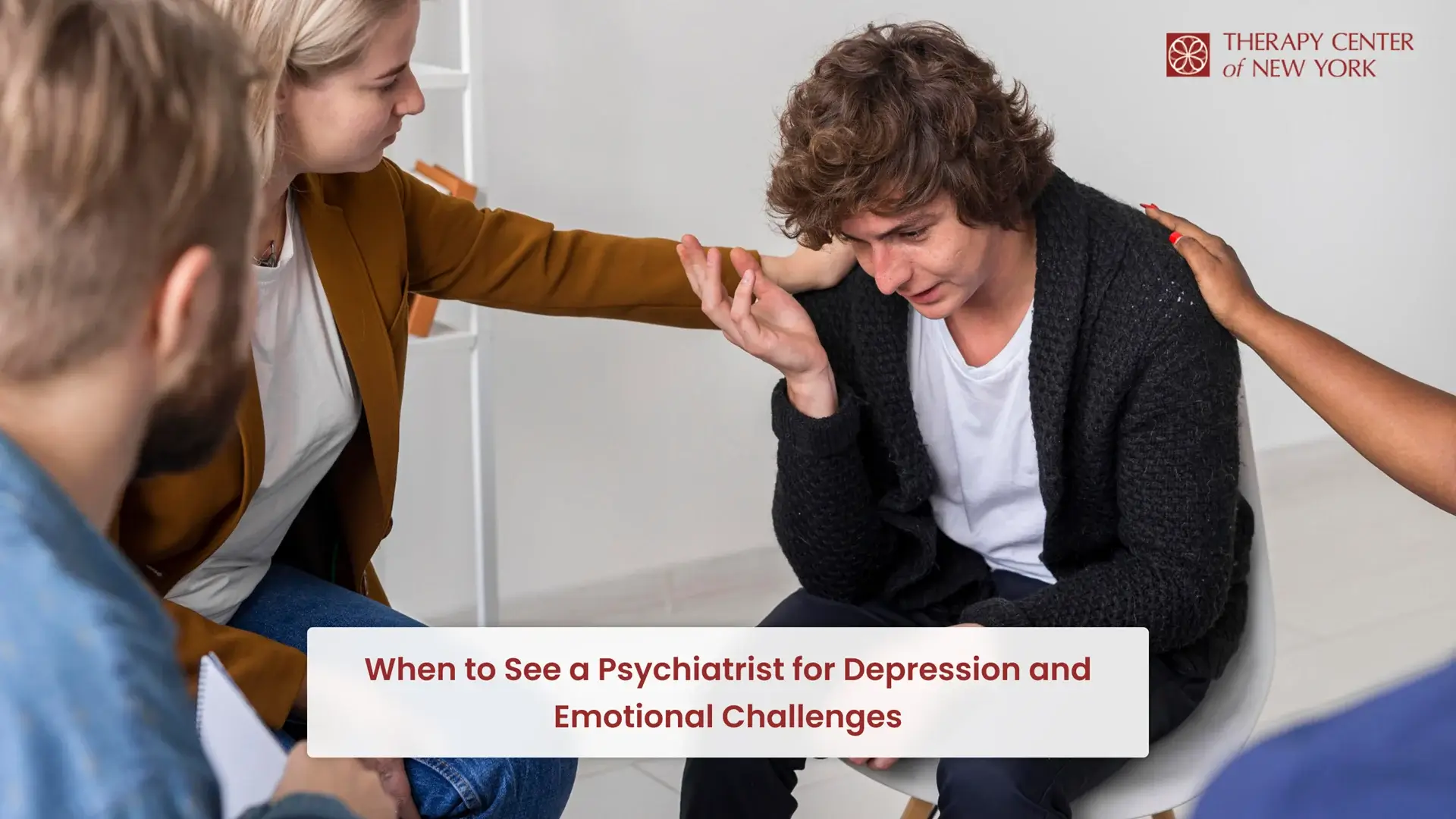
Feeling low from time to time is part of being human. However, when sadness, emotional distress, or a loss of interest in daily life lasts for weeks or
months, it may signal something deeper. Depression is a common but serious condition that can affect how you think, feel, and function. Knowing when to see a psychiatrist for depression can make a meaningful difference in your emotional well-being and long-term health.
This article explains the signs, treatment options, and how professional behavioral health care, both in New York and online, can help you take the next step toward recovery.
Understanding Depression and Emotional Challenges
Depression is more than feeling sad after a difficult day. It is a persistent condition that can impact mood, energy, motivation, relationships, and physical health. Emotional challenges such as chronic stress, anxiety, or unresolved trauma can also contribute to depressive symptoms.
In behavioral health care, depression is understood as a condition influenced by biological, psychological, and environmental factors. While the term mental health is commonly used, behavioral health care focuses on how emotions, behaviors, and thought patterns affect overall functioning and quality of life.
When symptoms begin to interfere with daily activities, professional depression help becomes important.
What Does a Psychiatrist Do for Depression?
A psychiatrist is a medical doctor trained to diagnose and treat depression and other emotional health conditions. Unlike general counseling alone, a depression psychiatrist can assess both psychological symptoms and biological factors, such as brain chemistry or sleep patterns.
Psychiatrists providing depression treatment may:
-
Conduct a comprehensive psychiatric evaluation
-
Diagnose depressive disorders accurately
-
Prescribe and manage medication when appropriate
-
Work alongside therapists to support long-term recovery
Psychiatric treatment is often recommended when depression is moderate to severe, long-lasting, or not improving with therapy alone.
Signs You Should See a Psychiatrist for Depression
Emotional Signs
-
Persistent sadness or emptiness
-
Feelings of hopelessness or worthlessness
-
Loss of interest in activities you once enjoyed
-
Difficulty experiencing joy or motivation
Physical and Behavioral Signs
-
Ongoing fatigue or low energy
-
Changes in sleep or appetite
-
Difficulty concentrating or making decisions
-
Withdrawing from family, friends, or work
When Depression Starts Affecting Daily Life
If depression begins to interfere with your ability to function at work, maintain relationships, or care for yourself, it may be time to seek psychiatric treatment. Early support often leads to better outcomes.
Psychiatrist vs Therapist for Depression
Many people wonder whether they should see a therapist or a psychiatrist for depression therapy. The answer often depends on symptom severity and personal needs.
-
Therapists focus on talk therapy, coping strategies, and emotional processing.
-
Psychiatrists focus on diagnosis, medication management, and complex mood conditions.
In many cases, the most effective depression treatment involves collaboration. Behavioral health care providers may combine therapy with psychiatric care to support both emotional and biological aspects of depression.
Depression Treatment Options Available
Psychiatric Evaluation and Diagnosis
Accurate diagnosis is the foundation of effective treatment. Care providers assess emotional symptoms, medical history, stressors, and lifestyle factors before recommending a treatment plan.
Medication as Part of Depression Treatment
Medication may be helpful for individuals experiencing moderate to severe depression. A psychiatrist carefully monitors effectiveness and side effects, adjusting treatment as needed.
Therapy Combined With Psychiatric Treatment
Many individuals benefit from combining depression therapy with medication management. This integrated behavioral health care approach addresses both symptoms and underlying emotional patterns.
Depression Therapy in New York
For individuals seeking care in New York, access to experienced psychiatric and therapy providers is an important advantage. Depression therapy in New York allows patients to receive care that aligns with local medical standards and personalized needs.
In-person sessions can be especially helpful for those who prefer face-to-face interaction or require structured support.
Depression Therapy Online: Flexible Care Options
Online depression therapy has become a reliable and effective option for many individuals. Virtual sessions offer flexibility without sacrificing quality of care.
Benefits of depression therapy online include:
-
Greater scheduling flexibility
-
Privacy and comfort from home
-
Continued care during travel or life transitions
-
Access to licensed care providers
Therapy Center of New York’s care providers offer online services for individuals who prefer or need virtual depression treatment.
How Therapy Center of New York’s Care Providers Support Depression Care
Therapy Center of New York’s care providers take a personalized behavioral health care approach. Treatment plans are tailored to each individual’s symptoms, goals, and lifestyle.
Care providers may offer:
-
Comprehensive psychiatric evaluations
-
Evidence-based depression therapy
-
Medication management when appropriate
-
Online and New York-based care options
This coordinated approach ensures that emotional health care is thoughtful, structured, and responsive over time.
When to Seek Immediate Depression Help
If depression includes thoughts of self-harm, extreme hopelessness, or an inability to perform basic daily tasks, immediate professional support is essential. Reaching out to qualified care providers as soon as possible can be a critical step toward safety and recovery.
Taking the First Step Toward Emotional Well-Being
Seeking help for depression is not a sign of weakness, it is a proactive step toward better emotional health. Whether you are considering depression therapy, psychiatric treatment, or online care, professional behavioral health support can help you regain balance and clarity.
If you are unsure where to begin, a consultation with a psychiatrist for depression can help you understand your options and move forward with confidence.
Frequently Asked Questions
-
When should I see a psychiatrist for depression?
If low mood, persistent sadness, or emotional distress lasts more than two weeks and begins to interfere with daily responsibilities, work, or relationships, it is advisable to consult a psychiatrist. A licensed psychiatrist can provide a clinical evaluation, confirm a diagnosis, and recommend an appropriate treatment plan.
-
What is the difference between a psychiatrist and a therapist?
A therapist provides depression therapy through structured talk based approaches such as cognitive behavioral therapy and other evidence based methods. A psychiatrist is a medical doctor who can diagnose depression, prescribe medication, and manage psychiatric treatment when medication support is needed.
-
Do I need medication for depression?
Medication is not required in every case. Many individuals improve with therapy alone, particularly in mild to moderate cases. For moderate to severe depression, a psychiatrist may recommend medication based on clinical assessment, symptom severity, and overall functioning.
-
Is online depression therapy effective?
Online depression therapy can be effective for many individuals. It offers flexible scheduling, privacy, and access to licensed providers. Research supports that virtual behavioral health services can provide outcomes comparable to in person therapy for many cases.
-
Can I get depression treatment in New York?
Yes, depression therapy services are available in New York through licensed behavioral health providers. Many practices also offer online sessions, allowing individuals to receive consistent support regardless of location.
-
When should I seek immediate depression help?
Immediate help should be sought if depression includes severe emotional distress, thoughts of self harm, suicidal ideation, or an inability to maintain personal safety. In such cases, contact emergency services or a crisis support provider without delay.