
What Is Anxiety and How Can Therapy Help You Manage It Effectively?
- by The TCNY Care Team
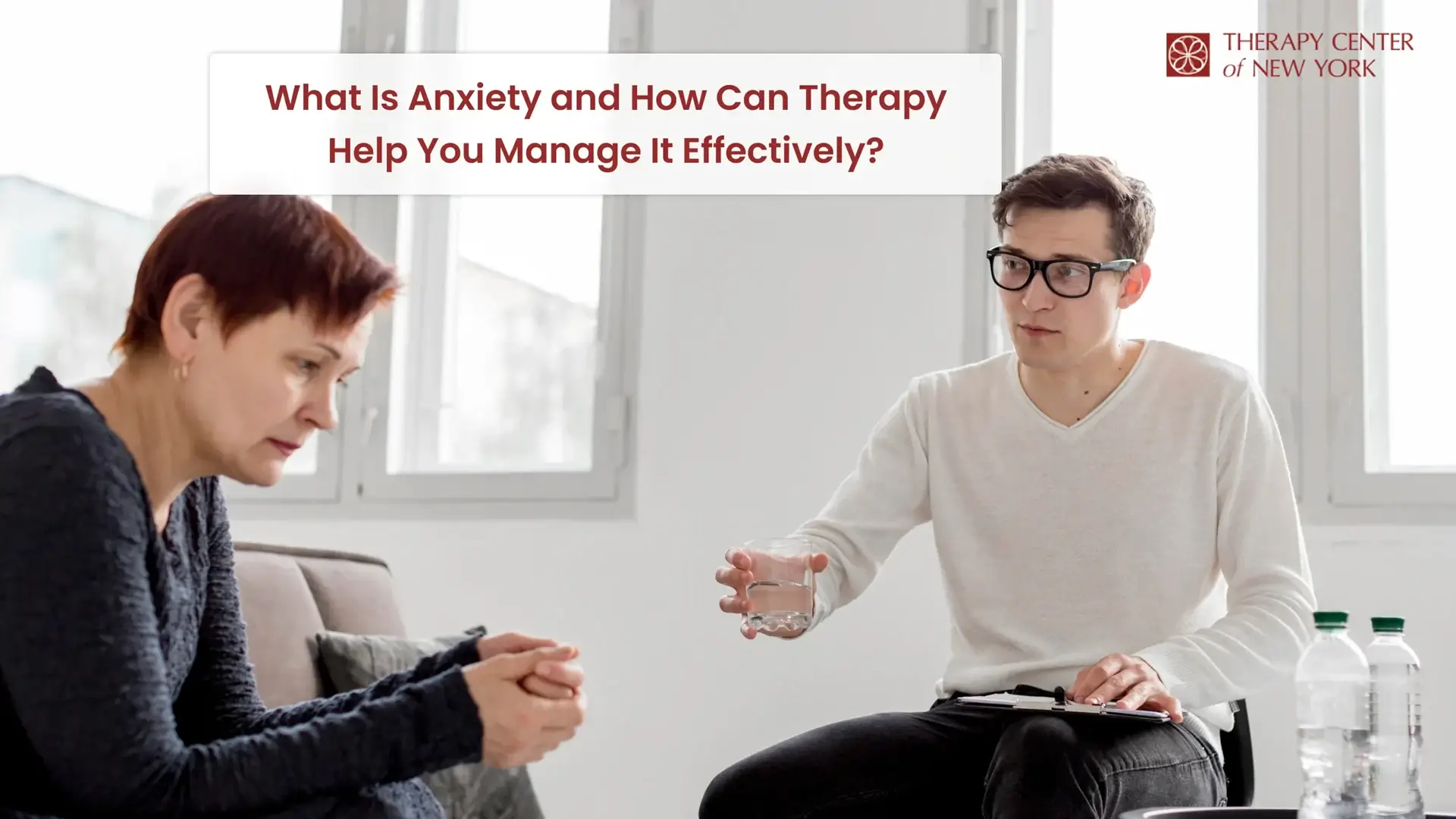
Introduction:
Feeling anxious sometimes is completely normal, but when worry becomes constant and overwhelming, it may signal something deeper.
Understanding anxiety disorders and anxiety treatment options is the first step toward reclaiming your peace. This guide explains current therapy for anxiety approaches and how professional support creates lasting change. Whether you're experiencing symptoms yourself or supporting someone who is, knowing that proven strategies exist can be empowering - especially with digital tools like mindfulness apps and teletherapy making help more accessible than ever.
What Is Anxiety?
Anxiety becomes a mental health condition when intense fear disrupts daily functioning. Unlike temporary stress, anxiety disorders involve persistent worry that can last months. Symptoms often include rapid heartbeat, insomnia, and difficulty concentrating. Several common anxiety disorders exist:
-
Generalized Anxiety Disorder (GAD) involves chronic worrying about everyday matters
-
Social Anxiety Disorder brings intense fear of social interactions
-
Panic Disorder features sudden, overwhelming panic attacks
-
Specific Phobias trigger extreme fear of particular objects/situations
Recognizing your anxiety symptoms helps identify personal triggers, setting the foundation for effective management strategies.
How Is Anxiety Diagnosed?
Diagnosis begins with consultation from qualified mental health professionals who assess your experiences using structured clinical interviews and diagnostic tools like the GAD-7 screening questionnaire. A psychiatrist for anxiety may conduct medical tests to rule out underlying conditions. Comprehensive evaluation ensures personalized care plans address your specific needs, laying the groundwork for successful anxiety treatment.
Anxiety Treatment Options: Therapy and Psychiatry Working Together
The most effective treatment for generalized anxiety disorder often combines psychotherapy and psychiatric approaches. Mental health professionals increasingly emphasize integrated care, coordinating between talk therapy and medical interventions when needed. Modern treatment plans may include digital therapeutics like therapist-guided apps that provide coping tools between sessions at reputable clinics, with users reporting greater consistency in practicing skills.
Psychotherapy Options for Managing Anxiety
Cognitive Behavioral Therapy (CBT) remains the gold standard psychological treatment. CBT teaches practical techniques to identify and reframe distorted thought patterns. Other approaches include Exposure Therapy for phobias and Acceptance and Commitment Therapy. Many therapists now blend mindfulness techniques into sessions, helping clients stay grounded while addressing contributors to anxious feelings. Skills learned in therapy provide lifelong anxiety coping strategies.
The Role of Psychiatrists in Anxiety Treatment
Psychiatrists specialize in psychiatric treatment for anxiety, particularly when medication management is beneficial. They evaluate biological factors contributing to symptoms and develop medication plans when appropriate. Unlike psychologists, psychiatrists can prescribe medications but often collaborate closely with therapists. The evolving conversation around psychotherapy vs psychiatry for anxiety highlights that both approaches complement one other for comprehensive care.
Medication for Anxiety: What You Need to Know
Common medications include SSRIs (like sertraline), SNRIs, and buspirone. Medication isn't always needed, but for moderate-to-severe symptoms, it can create stability to make therapy more effective. Modern pharmacology prioritizes personalized approaches, with genetic testing available to predict medication compatibility. Always consult your psychiatrist about benefits and side effects - medication works best alongside therapy.
Lifestyle and Self-Care Changes That Support Treatment
Complement your anxiety treatment with routines that regulate nervous system responses. Regular physical activity reduces cortisol levels, while consistent sleep patterns improve emotional resilience. Even small habits matter: Try "mindful minutes" using popular apps like Calm or Headspace throughout your day. Research confirms that combining professional help for anxiety with consistent self-care creates the strongest results.
Benefits of Therapy for Managing Anxiety
Therapy provides scientifically-backed methods for rewiring anxiety responses long-term. Beyond symptom relief, you develop tools to prevent future escalation and strengthen emotional resilience. Knowing how to manage anxiety transforms your relationship with worry - you learn to respond rather than react. Many experience profound self-discovery through therapy, gaining clarity about personal values and strengths.
Finding the Right Mental Health Professional: Therapist or Psychiatrist?
Consider starting with a licensed therapist for talk therapy approaches. If symptoms severely impact functioning, consulting a psychiatrist may be appropriate. Many providers now offer blended practices - therapists co-manage care with psychiatric colleagues for comprehensive anxiety treatment when medication might help. Verify credentials and ask about their specific experience treating your anxiety type during consultations.
When to Seek Professional Help for Anxiety
Consider reaching out when anxiety persistently disrupts work, relationships, or daily tasks for over two weeks. Other red flags include avoiding activities you once enjoyed or physical symptoms like chest tightness indicating chronic stress. Early intervention increases treatment success rates substantially. Seeking help isn't weakness - it's a powerful act of self-care.
Conclusion:
Understanding that anxiety disorders are treatable conditions marks the beginning of recovery. With today's anxiety treatment options combining time-tested therapy, thoughtful medication management when appropriate, and modern digital support tools, sustainable relief is achievable. Reach out to providers like those at reputable centers such as Therapy Center of NY to develop your personalized plan. Every journey starts with that first courageous step.
FAQs
-
How quickly does therapy for anxiety start working?
Most people notice gradual improvements within 4-6 sessions as they learn practical coping tools. Consistency matters - practicing techniques outside sessions speeds progress. Significant change typically develops over several months of dedicated therapy engagement.
-
What's the difference between therapy and medication for anxiety?
Medication can quickly reduce acute anxiety symptoms but doesn't address underlying causes. Therapy builds lasting coping skills while exploring root issues. Many find combining both approaches creates synergy for improved long-term mental wellness and resilience.
-
Can anxiety disorders be cured completely?
While some experience complete remission, others learn to effectively manage symptoms long-term. Success varies based on disorder type, commitment to treatment, and individual factors - but significant improvement allowing full functioning is absolutely possible.
-
Do I need medication to manage my anxiety effectively?
Not necessarily. Mild-to-moderate anxiety often responds well to therapy alone. Providers may recommend medication when symptoms severely impact daily functioning or when other approaches show limited progress, typically discussing options collaboratively.
-
How do I know if I have an anxiety disorder versus normal stress?
Key differences: Anxiety disorders involve excessive worry about multiple life areas for over six months, cause significant distress or impairment, and feature physical symptoms like restlessness or tension. Normal stress is temporary and situation-specific.
-
What cognitive behavioral therapy techniques help anxiety?
CBT utilizes practical tools like cognitive restructuring (identifying/challenging anxious thoughts), exposure therapy (gradual practice with triggers), mindfulness exercises, somatic awareness techniques, and behavioral activation plans implemented systematically.